

The Shift No One Saw Coming
For most of modern history, the nuclear bomb defined power.
It was the ultimate threat final, irreversible, absolute.
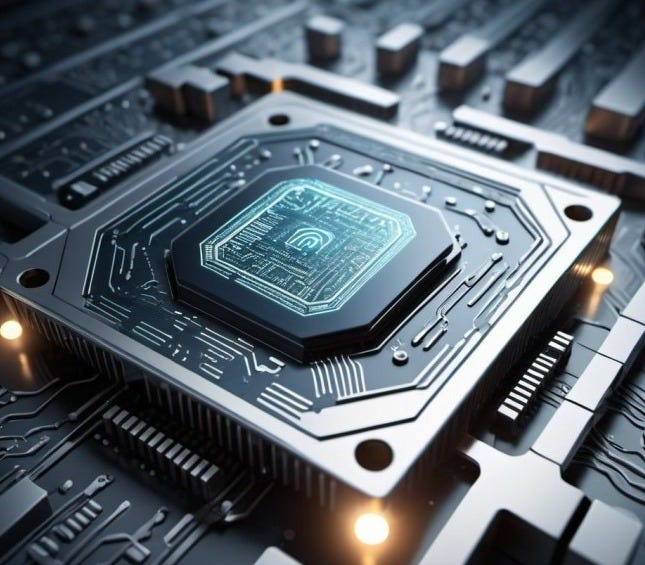
But something strange is happening inside the world’s intelligence agencies, defense ministries, and economic councils: the fear that once belonged to the mushroom cloud now belongs to something the size of a fingernail.
Not the missile.
Not the warhead.
The AI chip.
Nuclear weapons end a world.
AI chips define one.
This 10 minutes MBA March edition explains why nations now fear falling behind in compute more than falling victim to a nuclear strike and why this shift will shape the next century far more than any arms race of the past.
The New Weapon of Power: A Living Brain
A nuclear bomb is a dead weapon: static, dormant, useful only if never used.
An AI chip is a living brain: active, evolving, and feeding intelligence into every layer of society.
This is why governments treat advanced chips as strategic assets:
They decide who wins future wars.
They decide who controls global supply chains.
They decide whose version of history becomes real-time fact.
No bomb can do that.
Only intelligence can.
And nothing produces intelligence faster than silicon.
The Strategic Moat: Why Chips Outrank Missiles.
The old moat was nuclear deterrence: If you attack me, we both lose.
The new moat is computational superiority: If I outthink you, you lose before the war even begins.
Nuclear power is static.
AI power compounds.
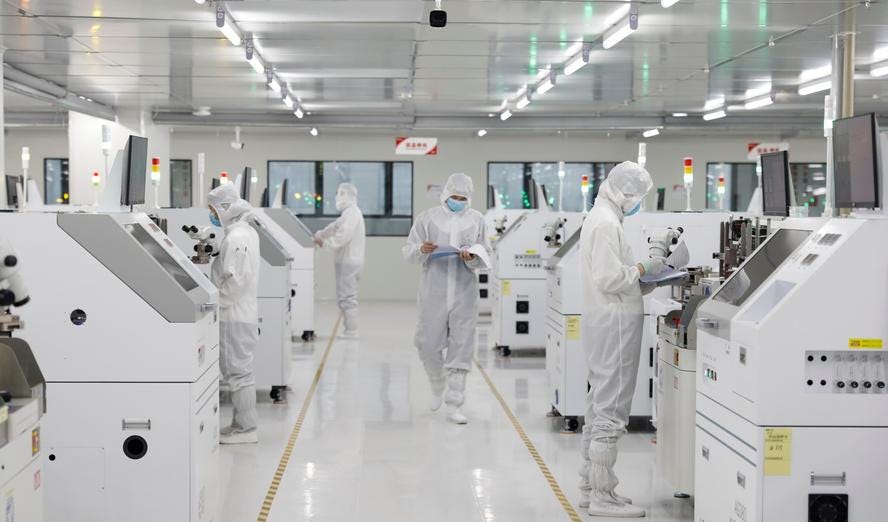
A country with superior chips doesn’t just fight better, it functions better.
It grows faster.
Detects threats earlier.
Designs weapons autonomously.
Runs logistics at machine precision.
And in conflict?
It disables an enemy silently crashing markets, blinding satellites, freezing infrastructure without detonating a single explosive.
In strategy circles, this is called Sub-Kinetic Dominance: victory without destruction.
Nuclear war is unwinnable.
AI war is eminently winnable.
That difference terrifies governments.
The 2nm Chokepoint: The Most Dangerous Single Point of Failure on Earth
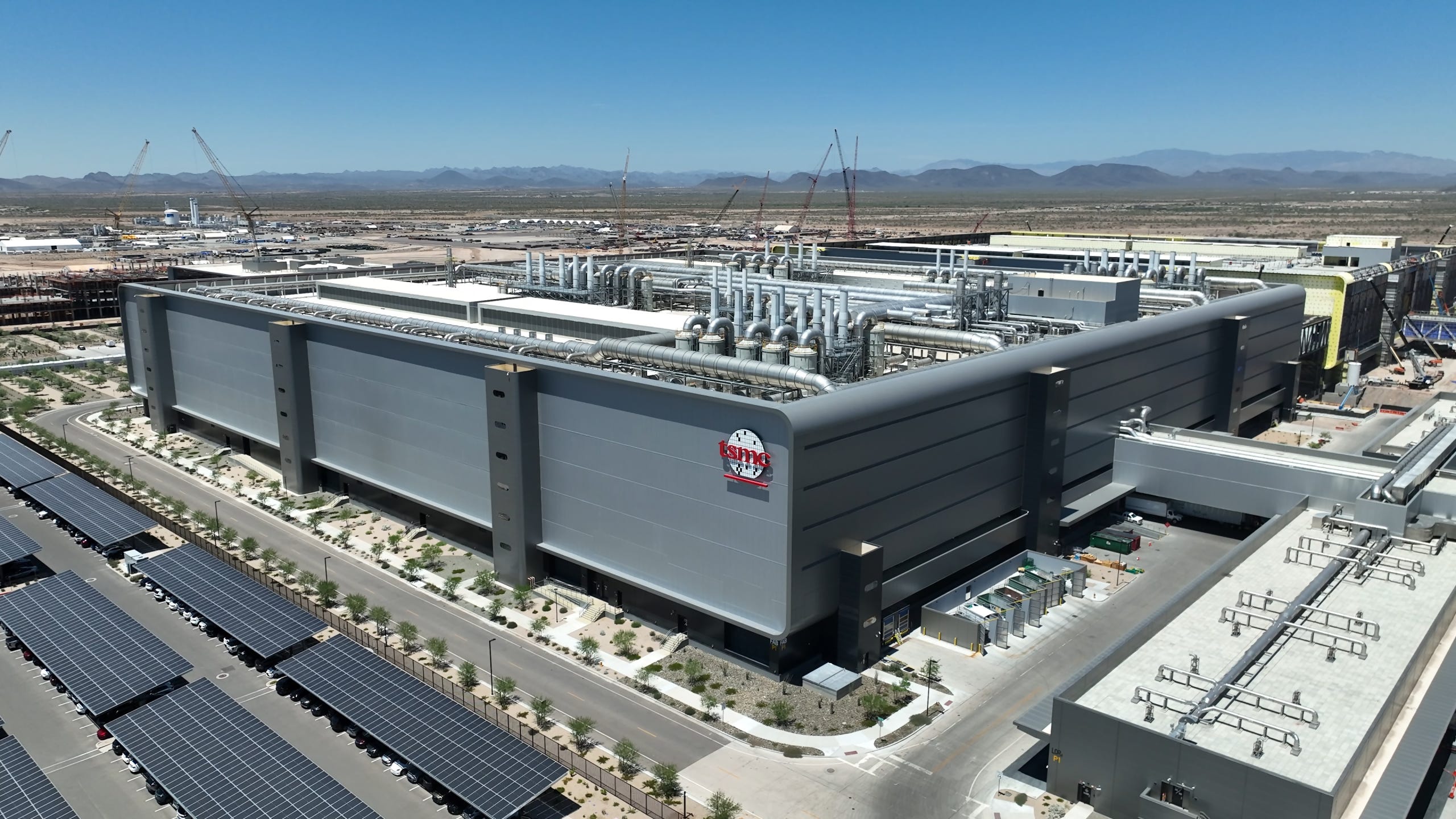
Over 90% of the world’s cutting-edge chips come from one place:
Taiwan Semiconductor Manufacturing Company (TSMC) TSMC.
If Taiwan stops producing:
AI research halts
advanced weapons cannot be built
global finance loses its algorithmic backbone
supply chains collapse
innovation across every industry freezes
A nuclear strike ends the world.
A chip shortage pauses it.
Governments fear the latter more because it is survivable and therefore usable.
This is the origin of the Silicon Shield: Taiwan’s fabs are so vital that destroying them triggers a global economic depression.
Their importance deters conflict more effectively than any missile defense system.
Sovereignty in the Age of AI: Who Owns the Global Brain?
Nations now understand a brutal truth:
If you rely on another country’s chips,
you rely on their intelligence,
their infrastructure,
their ideology.
You become a tenant nation.
This is why the U.S. passed the CHIPS Act, why China is spending hundreds of billions on domestic fabs, and why Europe and Japan are racing to build sovereign semiconductor ecosystems.
Without compute, you are not a country.
You are an endpoint.
The Compute Flywheel: Why Falling Behind Becomes Permanent
The nuclear arms race plateaued: once you had enough, more didn’t matter.
The compute race has no plateau:
Better chips → better AI models
Better AI models → better chip design
Better chip design → even better chips
It is a self-accelerating flywheel.
Fall behind two years?
You may fall behind fifty.
This is why no nation is calm.
The gap doesn’t widen linearly, it widens exponentially.
The First Compute Superpower
When a nation reaches a point where its AI can outthink any human-led system, it gains an edge no nuclear stockpile can match.
A true compute superpower could:
break every encryption protocol
simulate any weapon without testing
optimize its economy to outpace rivals
predict geopolitical moves before they occur
It sounds like a science fiction but it is not.
It is policy planning.
And every major government fears being second.
The Silicon Shield and the Coming Era of Compute Diplomacy
Just as nations once negotiated nuclear treaties, they will soon negotiate compute treaties:
access to AI infrastructure
limits on model power
audits of algorithms
sharing of critical compute resources
We are entering an era where access to silicon becomes a form of foreign aid, leverage, coercion, and alliance-building.
The next NATO won’t be military.
It will be computational.
The Human Layer: Why Brains Still Matter
Despite all the focus on FLOPs and fabs, the most important asset in the chip war is still human intelligence.
Nations fear brain drain as much as chip shortages.
The scientists, engineers, and architects who understand the chip-to-model pipeline are the rarest strategic resource on Earth. This is why talent visas, research hubs, and AI research alliances are now treated like national-security assets.
Technology does not replace strategy.
It magnifies it.
The World After the Shift
As compute becomes the foundation of power, we will see:
energy grids redesigned for AI demand
education systems rebuilt around machine intelligence
financial systems pegged to computational capacity
a widening divide between compute-rich and compute-poor nations
Territory is no longer the battlefield.
Intelligence is.
Your Master Takeaway
Nuclear weapons define endings.
AI chips define everything else.
Countries fear chips more because chips don’t threaten annihilation they threaten irrelevance.
A nuclear war ends the game.
The chip war is the game.
And the nations that understand this are already building the future.